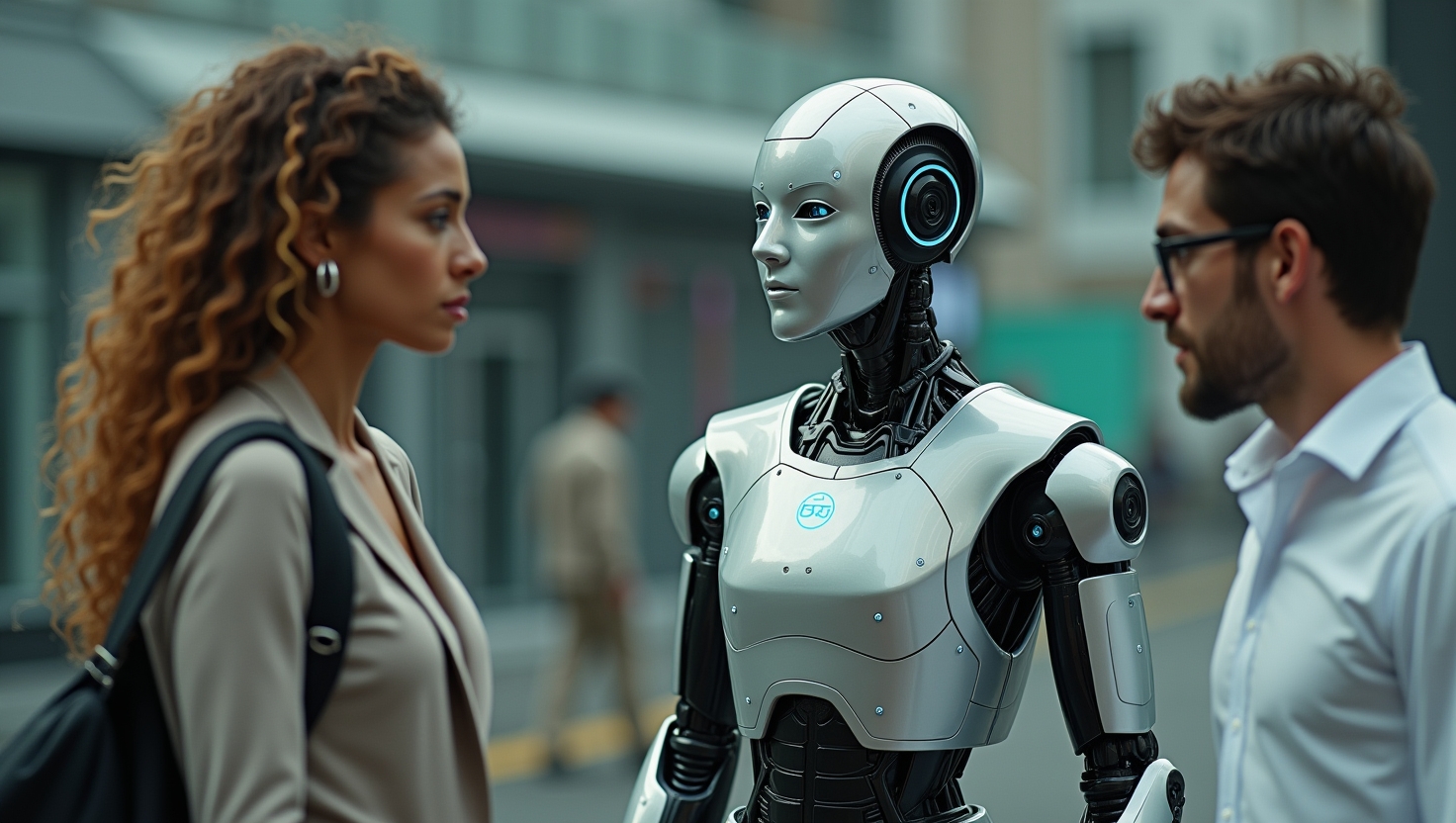
The Future of Humanoid Robots: Revolutionizing Robotics for Everyday Life
Introduction
In a world increasingly driven by digital transformation, humanoid robots are turning heads, prompting us to rethink the boundaries of what AI robots can achieve. These advanced machines, echoing the structure and motion of humans, are not just a figment of science fiction anymore. The insistent rise of AI technology has thrust humanoid robots into the limelight, directly affecting everything from industrial processes to home environments. As we stand on the brink of this technological revolution, it’s crucial to ponder what humanoid robots mean for our everyday lives and the broader socio-technological landscape.
Background
Humanoid robots are complex machines designed to mimic human physical form and behavior. These robots often feature an upright structure, allowing them to walk, grasp objects, and interact with their environments in ways remarkably similar to humans. The journey from primitive mechanical constructs to today’s sophisticated AI robots mirrors the rapid evolution of technology itself, with companies like Unitree Robotics and Tesla spearheading these advancements. Recent developments have marked significant milestones; notably, Unitree Robotics’ launch of the R1 on AliExpress—a move that signifies the rapid commercialization and accessibility of these technologies (source: Wired).
This democratization of robotics, particularly with the introduction of the Unitree R1, priced at around $4,370, is a telling indicator of the burgeoning field of humanoid robots. No longer are these sophisticated machines confined to research labs or industrial applications. Instead, they are positioned on the cusp of becoming ordinary household companions.
Current Trends in Humanoid Robotics
Today’s market trends show a fascinating shift towards making technology accessible. Thanks to e-commerce giants like AliExpress, the once-exclusive world of robotics is open to a wider array of consumers. The Unitree R1, for example, represents a new wave of affordable yet advanced robotics entering everyday life. As prices fall, driven by innovations and competition—Tesla’s Optimus aims for a price under $20,000—barriers to entry are lowered, enabling more people to integrate these AI robots into daily routines.
The key to their utility lies in the integration of AI. With enhancements in machine learning and complex algorithms, humanoid robots are not just bare mechanical shells but intelligent beings capable of performing intricate tasks. They can analyze data and learn from interactions, adapting to their surroundings with astonishing proficiency. Think of them as the evolving offspring of Rudolph Valentino’s mechanical butler \»R.E.X.\»—not just fetching your slippers but anticipating your needs and adjusting to your lifestyle.
Insights from the Market
The application of humanoid robots is varied and compelling, spanning industries from healthcare to entertainment. However, as their presence grows, so do ethical dilemmas. Robot ethics comes to the forefront with questions like: Should robots have rights? Who bears responsibility when a robot errs? These considerations echo the profound social implications of humanoid robots. Quotes from industry leaders and trend reports underscore the market’s rapid evolution. For instance, the updated pricing of Unitree’s R1—markedly lower than its predecessor—points to a swift decline in costs associated with advanced robotics, mirroring Moore’s Law in computing.
Forecasting the Future of Humanoid Robots
Looking ahead, the next five years promise unprecedented advancements in humanoid robotics. We stand to see robots that are leaps and bounds beyond today’s iterations, textured with even more sophisticated AI capabilities and tactile proficiency. These robots might soon become common custodians in our homes, assistants in our workplaces, and companions in our everyday routines. The repercussions of their integration into society span a spectrum from increased automation to broader ethical discourse, touching on job displacement and potential bureaucratic regulations.
The future scenarios painted by experts indicate a landscape where humanoid robots seamlessly coexist with humans, blending into social fabrics while providing new efficiencies. The potential for these robotics to enhance quality of life is vast, yet not without challenges that must be meticulously navigated.
Call to Action
The realm of humanoid robots is expanding at lightning speed, proffering revolutionary prospects paired with challenging questions. As enthusiasts and skeptics alike, we must maintain our curiosity and critical thinking. Engage with the evolution of humanoid robotics—subscribe to updates, even delve into the offerings of the Unitree R1—and consider their profound implications. The age of the humanoid robot is dawning, and with it, a new chapter in human history. It’s essential to remain abreast with these developments and ponder the ethical lines they may blur or redefine.
Related articles, like those detailed on platforms such as Wired, offer insights into current trends and future predictions. Understandably, these developments spark interest and raise critical questions that will shape the way forward.